
Windows and Doors: The Final Piece of Your Home Energy Puzzle
If you’ve already improved insulation, airtightness and heating, it’s natural to start looking at windows and doors next. They can make a big difference to comfort (fewer draughts, fewer cold spots) and they also play an important role in controlling air leakage and moisture.
That said, windows and doors work best when they’re planned as part of a retrofit sequence – not treated as a standalone swap. In this guide, we’ll cover when to upgrade, what specifications matter most, how to avoid common installation issues, and where to check current SEAI support.
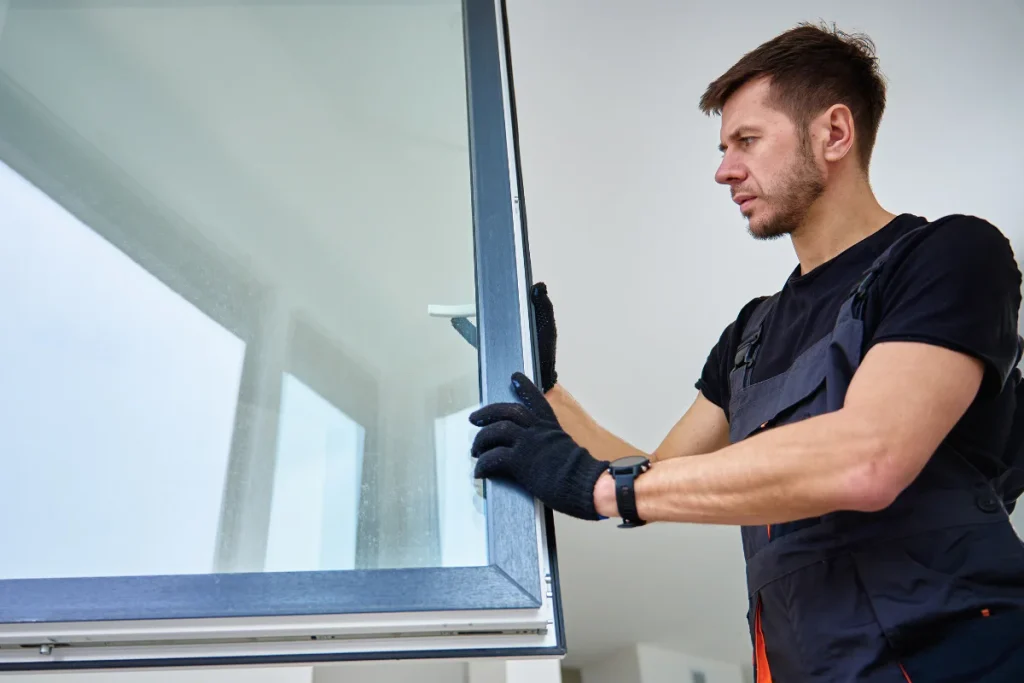
When to upgrade windows in the retrofit sequence
In many retrofit projects, the best results come from thinking in a clear order:
- Reduce heat loss (insulation and airtightness)
- Upgrade heating (where appropriate)
- Add renewables (where appropriate)
- Fine-tune comfort and performance details (including windows and doors)
However, there’s one important sequencing detail when you’re also planning wall insulation.
Ideally, windows are completed first, and then walls are insulated. This helps ensure the window installation integrates properly with the insulated wall build-up and reduces the risk of thermal bridging and water ingress around the opening.If you’re looking to power appliances, reduce electricity bills, or support electric heating systems, you’re talking about Solar PV.
What to look for in window specifications (in plain English)
When homeowners compare quotes, it’s easy to get lost in technical terms. One of the most important performance indicators you’ll see is the U-value.
- A lower U-value generally means better insulation performance.
- U-values can be quoted for different parts of the window (for example, the glazing or the whole unit), so it’s worth checking what the number refers to in your quote.
As a practical baseline, Leetherm typically recommends a minimum U-value of 1.4 (as specified in your quote/spec).
If you’re comparing suppliers, ask them to confirm:
That the performance figure matches the specific product being installed (not a brochure example)
What the quoted U-value refers to (whole window vs glazing)
A-rated vs B-rated windows: what it means
You’ll often hear windows described as “A-rated” or “B-rated”. These ratings are intended to help compare overall performance, but they can still hide detail (for example, different frame types, glazing options, or installation approaches).
A simple way to use ratings is:
And focus on installation quality, because even a great window won’t perform well if it’s poorly fitted
Treat them as a starting point for comparison
Then confirm the key numbers on the quote/spec (especially U-values)

Doors: insulation and draught-proofing matter
A new front door can improve comfort quickly, particularly if the existing door is warped, poorly sealed, or has gaps you can feel on windy days.
Key things to look for include:
Careful finishing around the frame to prevent air leakage
A well-insulated door leaf (not just a decorative panel)
Continuous seals around the frame
A threshold detail that reduces draughts without creating a trip hazard
Proper installation: the detail that makes or breaks performance
On a retrofit, attention to detail in the fitting process is everything.
Two issues matter most:
- Air leakage: gaps around frames can let warm air out and cold air in, undermining comfort and efficiency.
- Moisture penetration: poor detailing can allow water to track into the structure, which can cause damage over time.
This is why the installation approach – not just the product – should be part of the conversation. Ask your installer how they manage sealing, tapes/membranes (where used), and finishing details around the opening.dget-driven decision.
Integrating windows with wall insulation (avoiding thermal bridging)
Thermal bridging is where heat escapes through a weak point often around junctions like window reveals.
When windows are installed first and wall insulation follows, it’s easier to plan:
- How the insulation returns into the reveal
- How the frame is sealed to reduce air leakage
- How moisture is managed at the junction
If you’re doing external wall insulation, in particular, it’s worth asking how the window position and reveal detail will be handled so the upgrade looks good and performs well.
Do you install windows and doors?
As part of retrofit projects, Leetherm works with partners for windows and doors, including Senator Windows in the Tipperary/South area.

Grants: is there SEAI support for windows and doors?
OSEAI support for windows and doors is available under specific grant routes and conditions. Because eligibility and requirements can change, the safest approach is to check the current SEAI page and confirm what applies to your home and your upgrade pathway.
SEAI Windows and Doors grant page: https://www.seai.ie/grants/home-energy-grants/individual-grants/windows-and-doors
ROI and payback: what to expect
Windows and doors can deliver a real comfort upgrade – but payback depends heavily on:
- The condition of what you’re replacing
- How draughty the home is today
- Whether you’re also upgrading insulation and airtightness
- The quality of installation and detailing
If your existing windows are already relatively modern, you may see the biggest benefit in comfort and condensation reduction rather than dramatic bill savings. If they’re older and leaky, the impact can be much more noticeable.
How Leetherm can help
Leetherm delivers home energy upgrades, including retrofit projects, through the One Stop Shop model.
If you’re planning an upgrade or retrofit and want to understand where windows and doors fit in the sequence – and how to avoid common issues around air leakage and moisture – get in touch. We’ll talk you through the options and help you plan the right approach for your home.
