
Solar PV in Ireland (2026): What It Does, What Size Most Homes Need, and How It Fits Into a Retrofit
Solar PV has become one of the most popular home energy upgrades in Ireland – and for good reason. Done well, it can help you generate your own electricity, reduce reliance on the grid, and future-proof your home as more of our day-to-day energy use shifts to electricity.
But Solar PV is also one of those upgrades that can be misunderstood. How much will it actually cover? Do you need a battery? And how does it fit alongside insulation, airtightness, and heating upgrades?
This guide explains Solar PV in plain English, including the common system size Leetherm installs, when batteries tend to make sense, and what to expect on timelines when Solar PV is part of a wider retrofit.

What Solar PV is (and what it does not do)
Solar PV (photovoltaic) panels generate electricity from daylight. That electricity can be used in your home in real time, helping to reduce the amount you buy from your supplier.
A common point of confusion is the difference between:
- Solar PV: generates electricity
- Solar thermal: heats hot water (an older technology some homeowners still remember)
If you’re looking to power appliances, reduce electricity bills, or support electric heating systems, you’re talking about Solar PV.
Why homeowners choose Solar PV
Most homeowners are looking for a mix of benefits:
- Lower electricity bills (by using more of your own generated power)
- Better self-consumption (using electricity during the day when its being produced)
- Future-proofing (especially if you’re considering an electric vehicle or electric heating)
Solar PV is not a magic switch that eliminates bills entirely, but it can make a meaningful difference when its sized correctly and paired with good usage habits.
How Solar PV fits into a retrofit plan
Solar PV works best when it’s part of a joined-up plan.
A simple way to think about sequencing is:
- Reduce energy demand first (insulation and airtightness)
- Upgrade heating next (where appropriate)
- Add renewables like Solar PV
That “fabric first” approach matters because the less energy your home needs, the easier it is for any system – including Solar PV – to cover a meaningful portion of it.
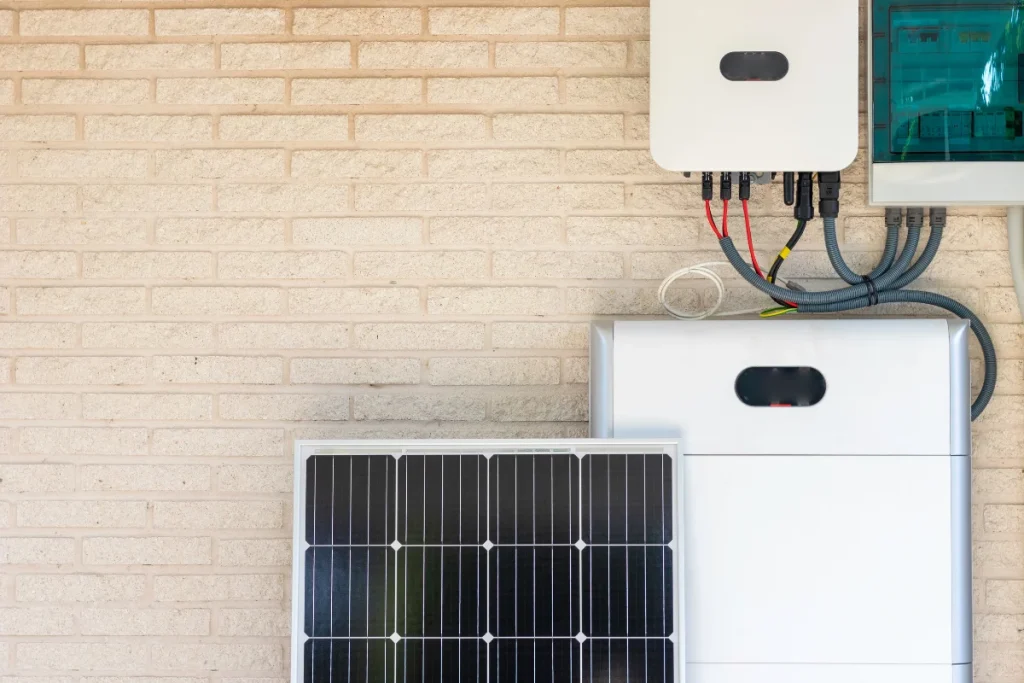
Typical Solar PV system size: why 4kW is so common
One of the most common questions is: How big a system do I need?
In practice, 4kW is the most common Solar PV installation size Leetherm installs. The reason is simple: it tends to suit the average roof size.
Anything larger is usually down to available roof space on the individual home. Factors like roof layout, shading, and orientation can also affect what’s possible and what makes sense.
Do you need a battery?
A battery can help you store surplus electricity generated during the day so you can use it later (for example, in the evening).
Leetherm generally recommends batteries:
- For systems from 4kW upwards, and
- When the homeowner has the budget to include the additional battery cost as part of the overall upgrade
In other words, a battery can be a great add-on but it’s not always essential, and it’s often a budget-driven decision.
SEAI Solar PV grant: what to know
SEAI offers grant support for Solar PV for eligible homes.
Grant rules and eligibility can change, so it’s always best to confirm what applies to your home at the time you’re planning works. An SEAI registered Once Stop Shop like Leetherm can handle all the necessary paperwork for you.
If Solar PV is part of a wider retrofit or home energy upgrade plan, it’s also worth looking at how it fits with your overall upgrade pathway and timeline.
Timeline: how long does it take?
A typical Solar PV timeline from survey to completion is around 4-6 weeks.
Right now, Leetherm is delivering Solar PV as part of wider retrofit projects, so scheduling will be aligned with the overall retrofit timeline.

After installation: how to get the most from Solar PV
Once Solar PV is installed, the best setup depends on your household.
A few practical ways to improve self-consumption include:
- Reviewing your electricity tariff with your supplier to make sure it suits your usage
- Looking at your own routines and identifying when you can run higher-usage appliances
- Shifting some electricity use into daytime hours where possible (based on your family situation and schedule)
Solar PV is one of those upgrades where small habit changes can add up over time.
How Leetherm can help
Leetherm delivers home energy upgrades, including retrofit projects, through the SEAI One Stop Shop model.
If you’re planning a retrofit and want to understand whether Solar PV makes sense for your home – and what size system is realistic for your roof – get in touch. We’ll talk you through the options and help you plan the right sequence.
