
Condensation, Mould, and Moisture: How Proper Retrofit Solves Damp Problems
If you’ve ever dealt with mould on bedroom walls, water on windows in the morning, or that persistent musty smell that won’t shift, you’ll know it’s not just annoying it affects comfort, health, and how your home feels day to day.
The good news is: many damp complaints in older homes are actually moisture + cold surfaces + not enough ventilation. A proper retrofit can reduce the cold surfaces and improve airflow but only if its planned as a whole-home system. In this post, well explain whats really going on, why ventilation matters just as much as insulation, and how Demand Control Ventilation (DCV) helps keep indoor air healthier after energy upgrades.
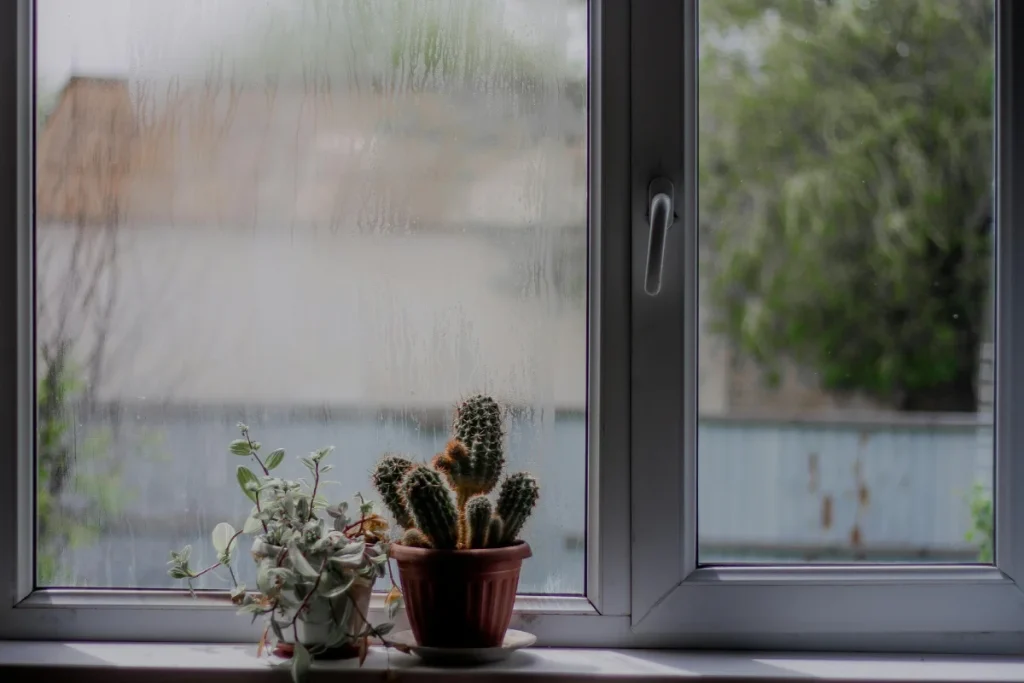
First: condensation vs damp (they’re not always the same)
People often use the word damp to describe a few different problems. Two common ones are:
- Condensation damp: moisture in the air settles on cold surfaces (often windows, external walls, corners, behind furniture).
- Moisture ingress: water is getting into the building fabric from outside (for example, via gutters, downpipes, cracks, or leaks).
A retrofit plan should allow for both. If you have visible mould, persistent staining, or a known leak, flag it early so it can be assessed before works begin.
Why older homes often have moisture issues
Most homes generate a surprising amount of moisture every day. Common sources include:
- Showers and baths
- Cooking (especially boiling and frying)
- Drying clothes indoors
- Breathing (yes, even normal occupancy adds moisture)
Moisture issues tend to show up more when there’s a mix of:
- Cold surfaces (poor insulation, cold bridges at corners and junctions)
- Inconsistent heating (some rooms under-heated, doors closed)
- Limited or ineffective ventilation (no extraction, blocked vents, or poor airflow)
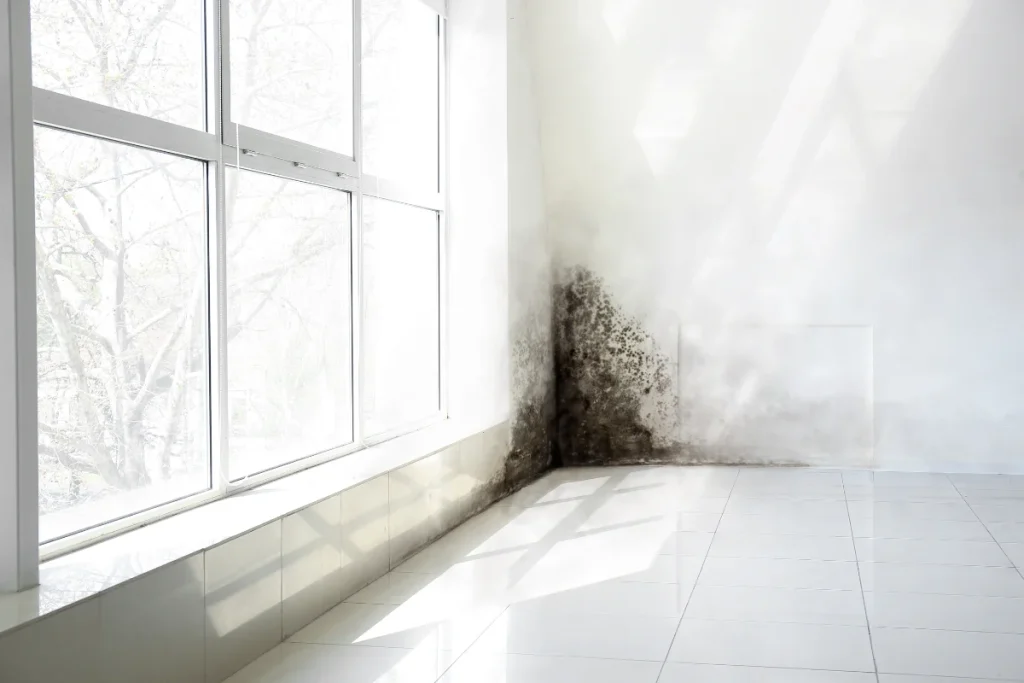
This three-part picture – heating, insulation, and ventilation – is also highlighted by Aereco (leading DCV system designer and supplier) as the primary set of factors behind damp and mould problems in homes.
The key idea: insulation and ventilation must work together
Insulation reduces heat loss and makes your home warmer. That’s a big win. But as homes become more energy efficient, they often become more airtight too, which means stale, moist air doesn’t escape as easily.
That’s why a proper retrofit doesn’t stop at insulation. It also includes a ventilation plan that:
- Removes excess moisture
- Reduces the risk of condensation and mould
- Supports healthier indoor air quality
What is DCV (Demand Control Ventilation)?
Demand Control Ventilation (DCV) is a type of ventilation system that adjusts based on conditions in the home – typically responding to humidity levels.
In plain English:
- When moisture rises (for example, after showers or cooking), DCV increases ventilation.
- When moisture levels are lower, it reduces ventilation to what’s needed.
This makes DCV a strong fit for many retrofit projects because it helps balance:
- Comfort
- Indoor air quality
- Energy efficiency
Common warning signs of moisture problems
If you’re seeing any of the below, it’s worth taking action early:
- Water droplets on windows most mornings
- Mould in corners, behind wardrobes, or on ceilings
- Peeling paint or wallpaper on external walls
- Musty smells that return after cleaning
- Rooms that feel cold and clammy even when heated

Common causes (and what they often point to)
Here are some of the most common contributors we see in homes generally, and what they can indicate:
- Drying clothes indoors moisture load is too high for the current ventilation
- Extractor fans not used / not vented outside moisture is staying in the home
- Blocked vents reduced background ventilation (often done to stop draughts)
- Cold bridges (corners, window reveals, behind furniture) warm moist air is hitting cold surfaces
- Under-heated rooms surfaces stay colder, increasing condensation risk
It’s also worth remembering: not all damp is condensation. Building defects can be responsible too – for example, leaking pipes or roofs, blocked gutters or downpipes, bridged damp courses, or flooding.
Addressing existing damp before a retrofit
If there’s visible mould or damp patches, it’s important not to ignore them and hope new insulation will fix it. The right approach is to:
- Identify whether it’s condensation, ingress, or a mix
- Reduce moisture sources where possible (habits, extraction)
- Improve ventilation (often DCV in retrofit projects)
- Improve insulation and reduce cold bridging
If you’re planning works, tell your retrofit provider about any problem areas early so they can be considered in the scope and sequencing.
Preventing interstitial condensation (the hidden risk)
Not all condensation is visible. Interstitial condensation is when moisture forms within the building fabric (for example, inside a wall or roof build-up) due to temperature differences and vapour movement.
This is one reason why retrofit design and installation detail matter. The right materials, sequencing, and ventilation approach help reduce risk. If you’re upgrading insulation (especially internally), it’s worth asking how moisture risk is being managed as part of the overall plan.
A practical checklist: how to reduce condensation risk
Use this as a simple starting point:
- Ventilate during and after showers/cooking (and keep doors closed while extracting)
- Avoid drying clothes indoors where possible (or ensure ventilation is adequate)
- Don’t block vents to stop draughts – address draughts properly instead
- Keep some background heat in rarely used rooms
- Leave a small gap behind large furniture on external walls
- If you’re retrofitting, make sure ventilation is part of the plan (not an afterthought)
How Leetherm can help
Leetherm delivers retrofit projects where insulation and ventilation are planned together, with DCV commonly used to support healthier indoor air and help manage moisture levels after energy upgrades.
If you’re dealing with condensation or mould and you’re considering a retrofit, submit an enquiry, and we’ll help you understand the best next step for your home.
